The horse has long occupied a central place in the cultural and everyday life of the Kazakh people, playing a role unmatched by any other animal. For centuries, it has been an integral part of the nomadic way of life, valued as a means of transportation, a source of food, and companionship.
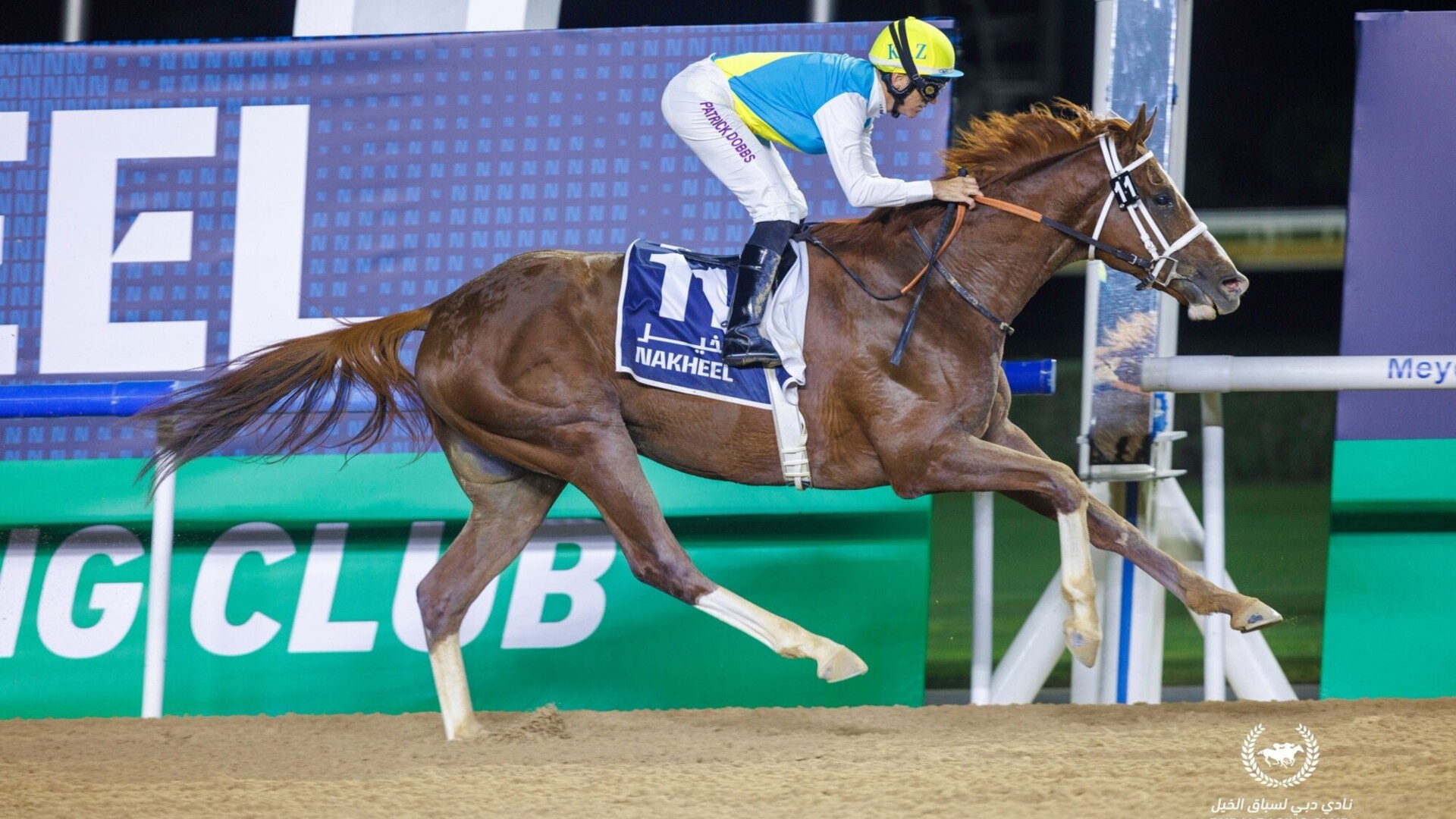
Kazakh horse Kabirhan during the Dubai International Horse Races in 2024. Photo: Dubai Racing Club
Kazakhstan is working not only to preserve its local breeds, but also to restore the population of one of the rarest animals in the world – the Przewalski horse.
The Return of the Wild Horses
Przewalski's horses, considered the last true subspecies of wild horse, disappeared from the wild in 1969 and survive only in captivity. Unlike American mustangs, which descended from domesticated animals, Przewalski's horses retain their wild ancestry.
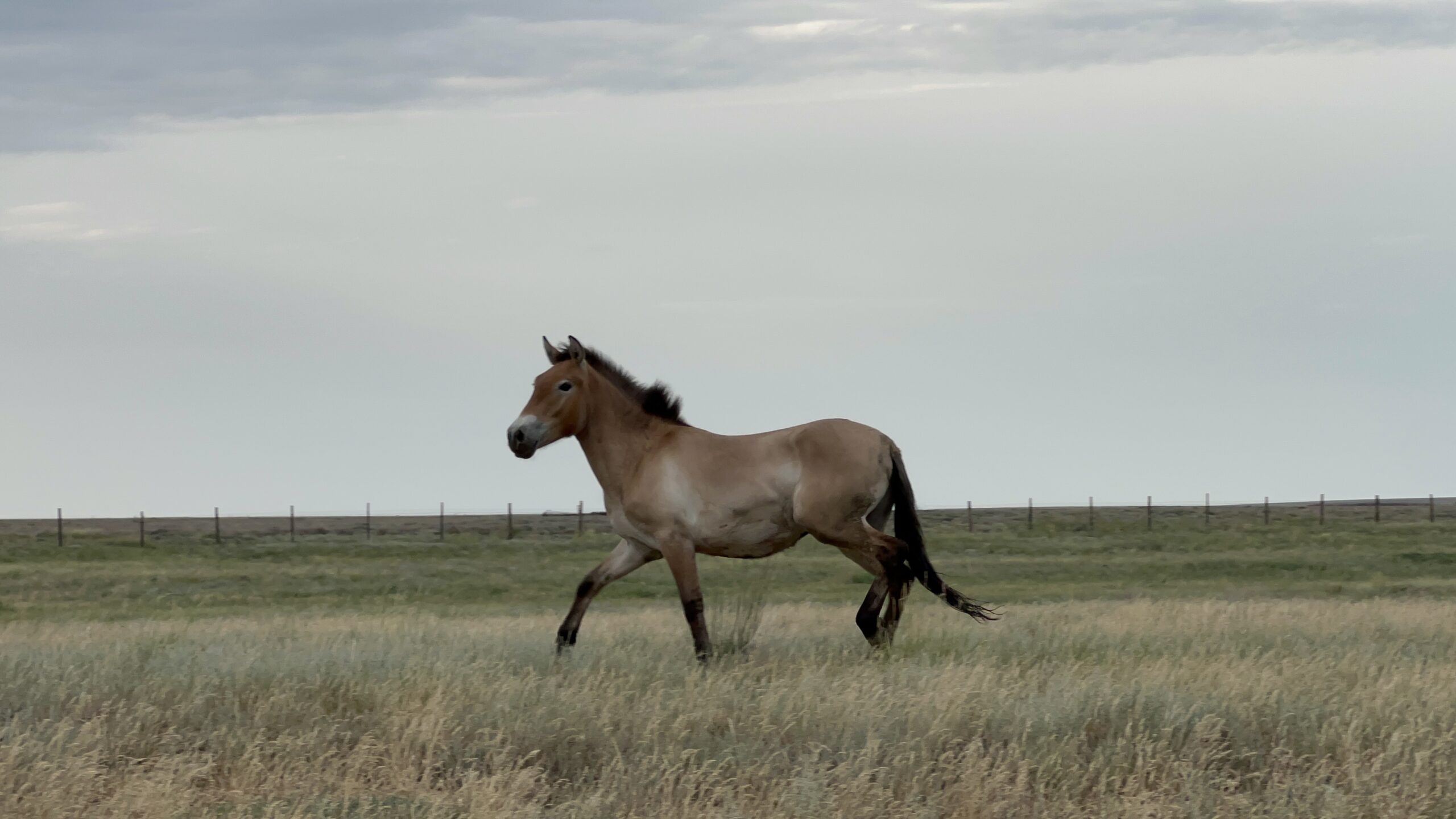
The first seven Przewalski's horses arrived from Prague Zoo in 2024, and another group will join us in 2025. Photo: The Astana Times
In 2024, the first seven horses arrived in Kazakhstan from Prague Zoo as part of the international Return of Wild Horses project . Another group arrived in 2025. Specialists closely monitored them as they adapted to the harsh conditions of the Turgai steppe, withstanding temperatures as low as -30°C. Two mares, Umbra and Vespa, were fitted with GPS collars to track the group's movements.
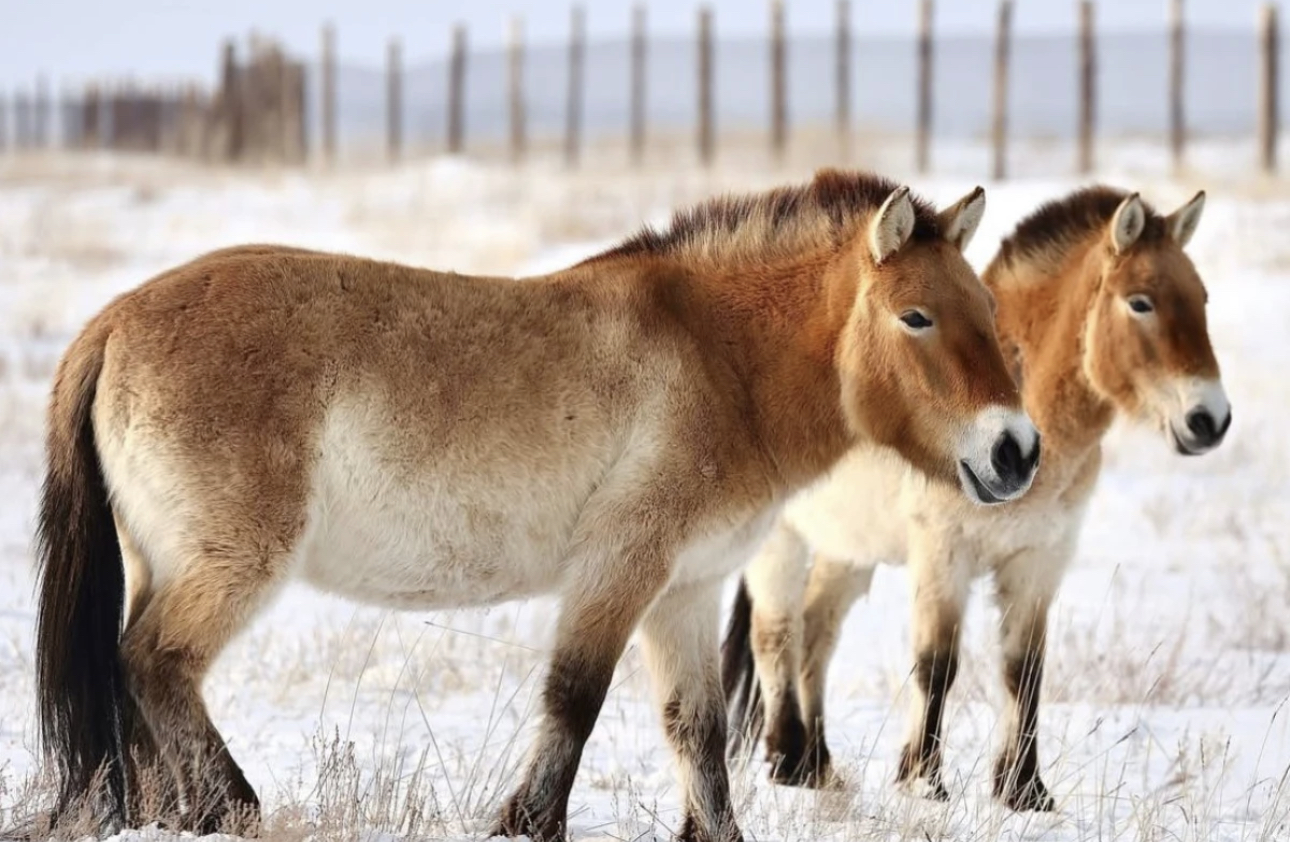
Przewalski's horses. Photo: Salemgareev's Instagram page.
By 2029, Kazakhstan plans to release 40-45 horses into the Altyn-Dala State Nature Reserve in the Kostanay region, chosen for their pastures and water bodies. After release, the horses will be protected by state rangers.
The project is not only of ecological importance, but also has more than just conservation benefits. Large herbivores such as horses and kulans regulate vegetation, enrich soils, reduce the risk of forest fires and support biodiversity. In winter, they create trails that help other species access food and water.
Local breeds and selection
In addition to environmental protection, Kazakhstan remains a horse-breeding country. The country breeds about 14 horse breeds, including the Kushum, Mogalzhar and Kostanay, said Miras Yesenbayev, a livestock specialist and head of the hippotherapy department at the Argymak equestrian health complex in Astana.
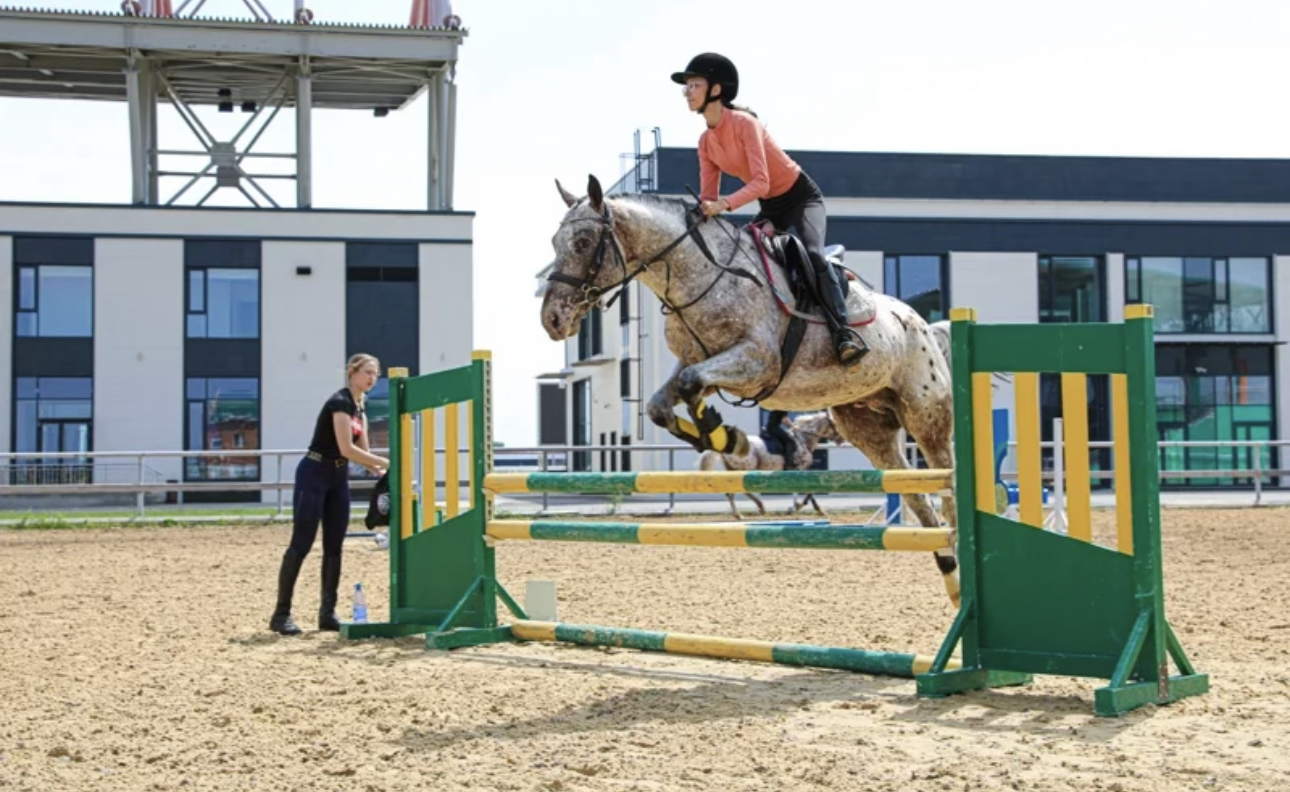
Photo: inform.kz
"The Kazakh horse is fully adapted to local conditions. It survives in the snow in winter, grazes outdoors all year round and requires virtually no human care. In contrast, modern factory breeds require concentrated feed, clean water and constant care," Yesenbayev told Kazinform.
He noted that purebred animals are becoming increasingly rare due to crossbreeding, but Kazakh horses retain valuable qualities. He also warned that horse breeding remains underdeveloped compared to cattle breeding, despite its greater economic efficiency.
"A mare can produce five to six foals in a decade, as well as 8-12 liters of milk per day and 1.5-2.5 tons per lactation. The cost of producing horse meat is two to two and a half times lower than that of cattle," Yesenbayev said.
Last year, President Kassym-Jomart Tokayev signed a law on the preservation and reproduction of national horse breeds, including the Kostanay breed. Officials say the move will benefit both agriculture and sports.
Sporting heritage and modern success
Kazakh horses continue to prove their strength in competitions. The Adai breed was officially recognized in 2023 at an international tournament in Kenderli, Mangistau region, and Kabirhan began his international racing career with two victories at the Al Maktoum Challenge in Dubai.
Historically, during the Soviet era, the Kostanay horse was one of the fastest in the world, sometimes surpassing Arabian and purebred English racehorses.
"Horses have been included in the Olympic Games program since 1912. Kazakh riders were part of the Soviet Union team and achieved outstanding results, for example, riding the stallion Fantazer and Zolotnik. The latter once covered 311 kilometers in one day," Yesenbayev said.
Equestrian sports such as kokpar, alaman baige and zhorga-zharys have been revived over the past 30 years. Amanzhol Khasenov, head of the Argymak complex, noted that Kazakhstani athletes are achieving victories at home and abroad, and national competitions are attracting an ever-larger audience.
"For the 60 million Turkic-speaking people of the region, these sports are part of our heritage. They always attract a huge audience. With state support, they can get to the Asian Games, and in the future, to the Olympic Games," Khasenov said.